


Agricultural drought: 5 ways to protect your soil
With the increasing frequency of agricultural droughts and heatwaves, the management of soils is becoming a major challenge in maintaining crop yields and limiting water stress in crops. Degraded, dried-out or compacted soil leads to:
- Less water available in the reserves needed for crops
- Reduced biological activity
- A gradual decline in yields
Conversely, well-managed soil acts as a natural water reservoir, capable of storing water and releasing it to plants during dry periods.
Here are 5 practical solutions to effectively protect your soils against drought.
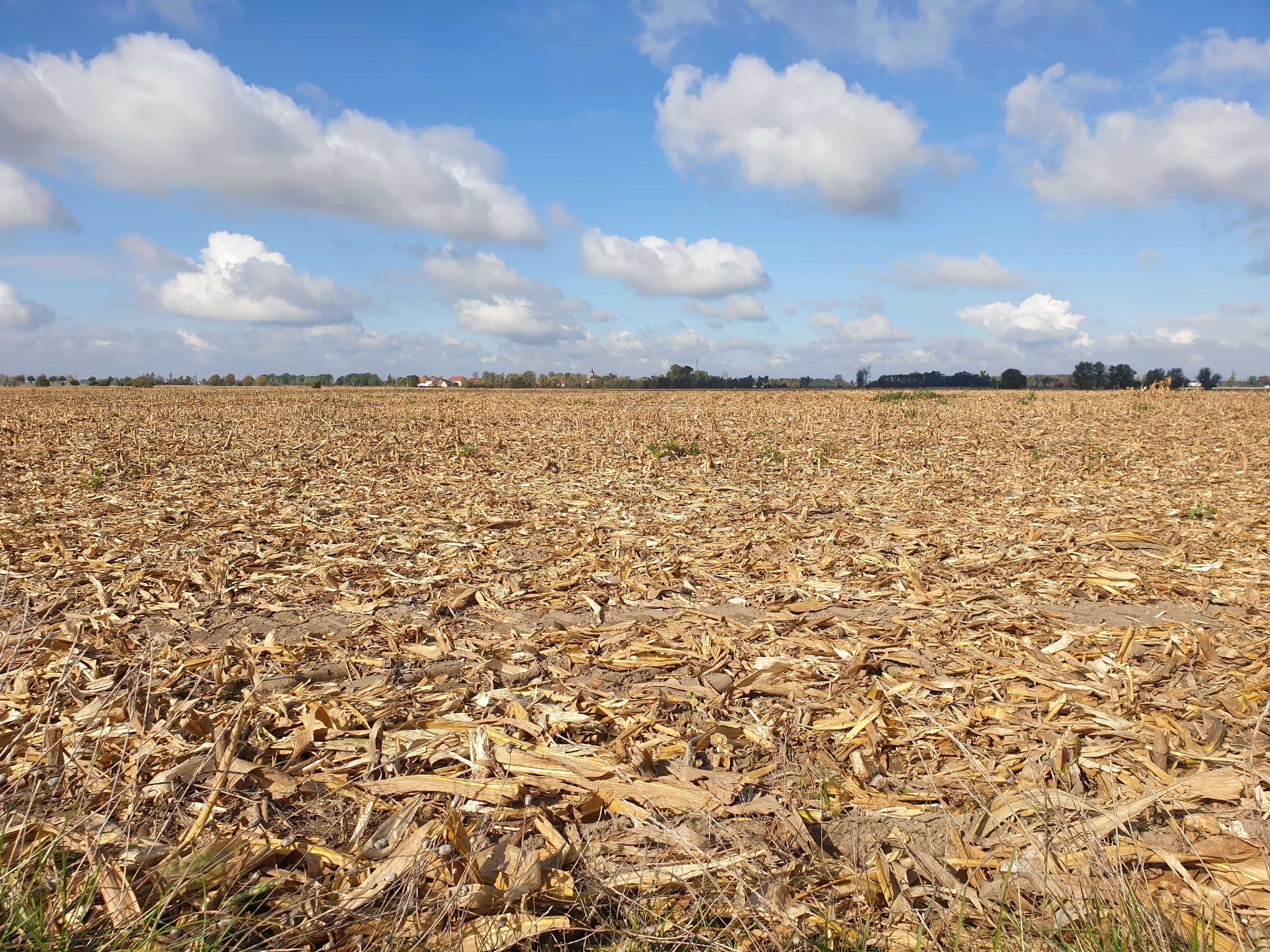
1. Never leave the soil bare
Bare soil in the height of summer can reach very high surface temperatures, greatly accelerating water evaporation. This results in rapid soil drying, the partial destruction of biological life, and an increased risk of soil compaction and run-off following a thunderstorm.
The first solution to address this issue is ground cover. By establishing ground cover, “there can be a temperature difference of up to 15°C compared to bare soil. This varies depending on the plants and their biomass”
2. Adapting tillage practices to mitigate the effects of agricultural drought
Tilling soil that is too dry can have detrimental effects on its structure. Indeed, when the soil is too dry, tillage implements tend to break up clods into very fine particles, which disrupts the surface soil layers. This excessive fragmentation undermines the soil’s natural cohesion and destroys the aggregates that play a vital role in air and water circulation. When exposed to rain, these fine particles cause soil compaction, which limits water infiltration and promotes runoff. This can also hinder seedling emergence.
Conversely, working the soil when it is cool and well-drained helps to preserve a crumbly structure, which is ideal for maintaining porosity and ensuring water infiltration.
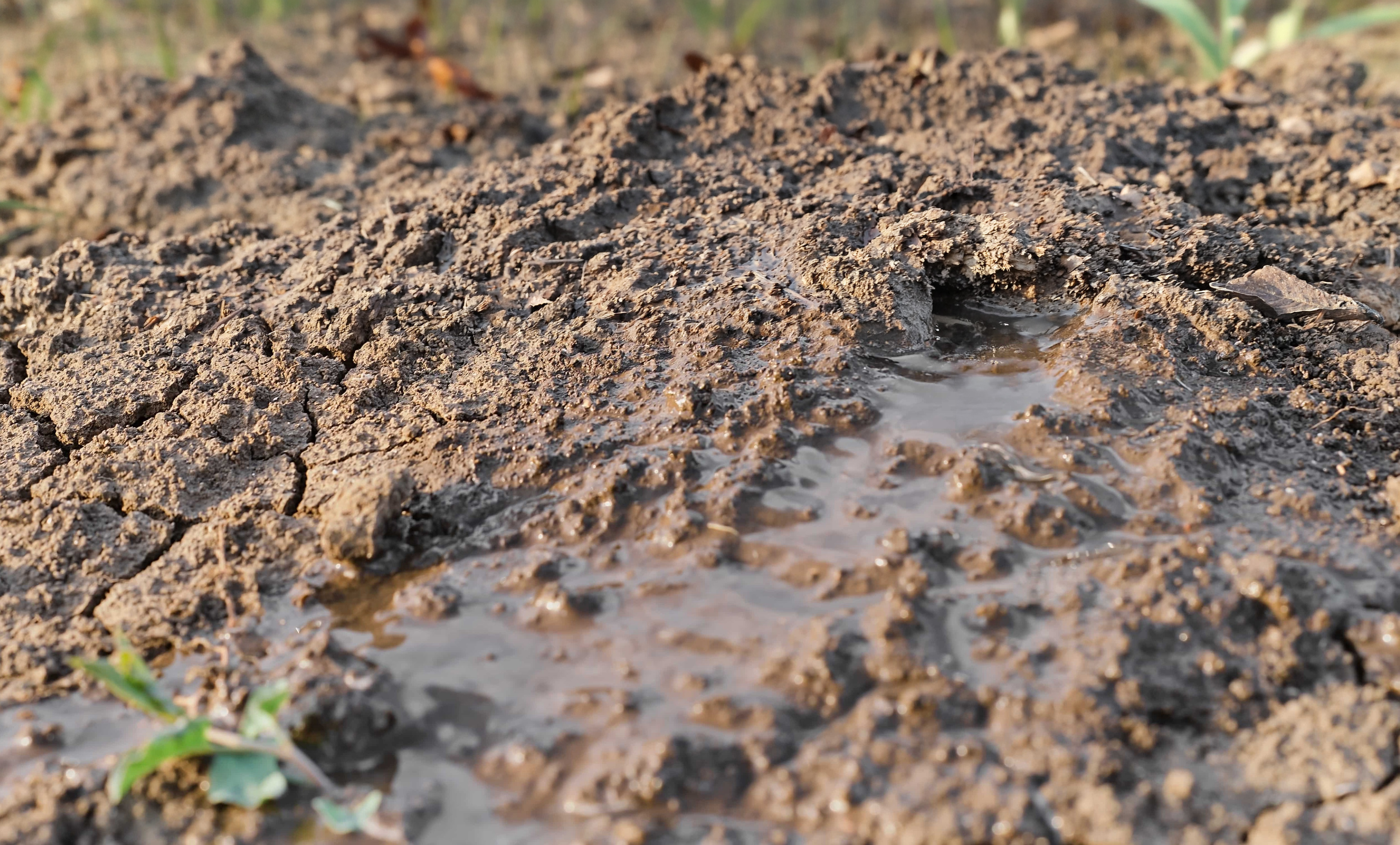
3. Improving water infiltration to enhance soil resilience to drought
In summer, rainfall often takes the form of violent thunderstorms. Under these conditions, the soil’s ability to absorb water quickly becomes a key factor. Soil that is poorly structured, compacted or deficient in organic matter does not allow for optimal infiltration and water retention. This low water-holding capacity accelerates soil drying and increases crops’ susceptibility to water stress during periods of agricultural drought. Water then runs off the surface and is therefore unavailable to crops. This phenomenon can cause significant erosion, particularly on bare soil, washing away fine particles and nutrients essential for fertility.
To minimise the effects of agricultural drought, it is essential to improve soil structure. Compacted soil, often caused by repeated passage of machinery, has low porosity. Good porosity not only promotes infiltration but also water retention, thereby building up reserves that are useful for crops during dry periods.
Maintaining well-aerated, well-structured soil is therefore essential to make the most of every millimetre of rainfall, particularly in the face of increasingly frequent periods of agricultural drought. This requires appropriate practices, such as minimising soil compaction, adding organic matter and maintaining plant cover. These measures help to improve the soil’s resilience and its ability to absorb and retain water, whilst reducing the risks of erosion and water loss.
4. Adapting tools and practices to agricultural droughts
The choice of tools is crucial for preserving soil structure, improving water management and ensuring long-term soil fertility. Indeed, inappropriate tillage can disrupt soil layers and accelerate desiccation, to the detriment of soil life.
THE ACTISOL ADVICE: Actisol’s crackers are designed to work at depth whilst respecting the natural structure of the soil: they operate vertically without turning or disturbing the soil layers, thereby improving aeration and water infiltration.
Certain practices should be prioritised, particularly during periods of drought:
- The use of lightweight equipment operating vertically, which corrects compaction without disrupting the soil structure
- Superficial work limited to the top few centimetres to avoid disturbing deeper soil layers
- Targeted interventions, carried out only when necessary
The use of appropriate tools and a well-planned approach makes it possible to restore porosity without disturbing the soil layers, thereby promoting better water infiltration and retention to mitigate the effects of agricultural drought.
Results:
- Improved infiltration
- Improved water retention
- More resilient soil
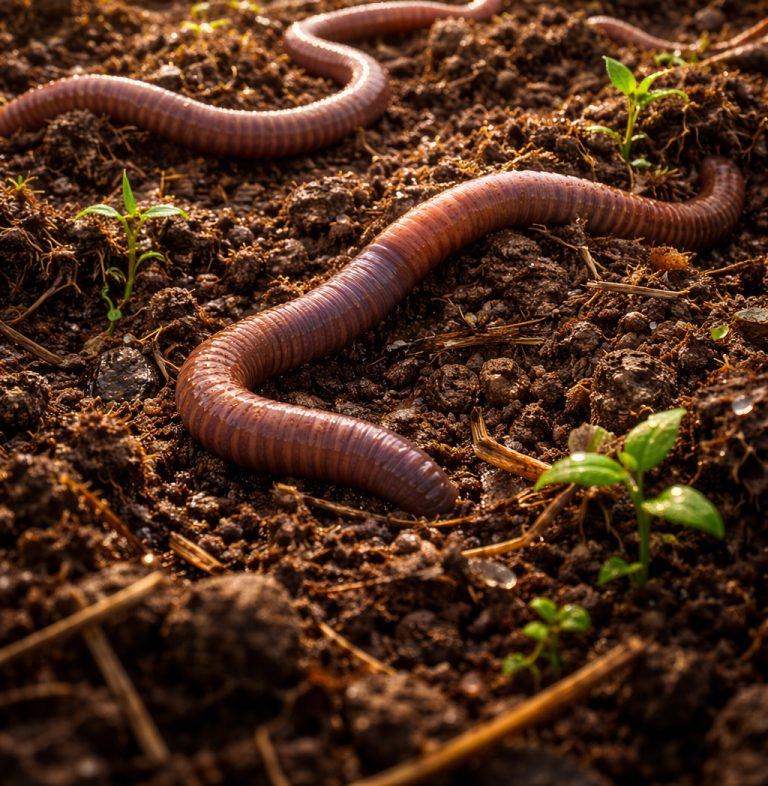
5. Preserving soil life to improve resilience to agricultural drought
Soil fertility depends largely on its biological activity, that is to say, the totality of living organisms it harbours: bacteria, fungi, earthworms and other microfauna. These organisms play a vital role in the decomposition of organic matter, the release of nutrients and soil structure. However, harsh climatic conditions, particularly high temperatures and periods of agricultural drought, can have a significant impact on them.
To protect them, it is essential to retain organic matter on the surface: crop residues or plant cover provide a source of nutrients for soil organisms and help form a protective mulch.
It is important to avoid unnecessary disturbance, such as repeated passes with tools, which can destroy natural habitats and disrupt biological cycles. A living soil is a more stable soil, better able to withstand climatic fluctuations. It infiltrates water more effectively, stores more carbon and supports crops even under stressful conditions.
In summary, how can we improve water retention in agricultural soil?
To improve soil water retention in a sustainable way, several approaches must therefore be combined:
- Permanent plant cover
- Reduced tillage
- Increased organic matter
- Limited compaction
It is the combination of all these practices that helps build soil resilient to agricultural drought.
THE ACTISOL ADVICE: Each plot reacts differently depending on its texture, history and organic matter content. Observation remains your best ally. Adapting your practices at the right time not only protects your soil in summer, but also prepares the ground for subsequent crops under better conditions.