


Top 5 soil cultivation mistakes (and how to avoid them)
The agricultural sector and soil cultivation practices have changed significantly in recent years. New technologies and numerous studies have paved the way for practices that respect soil life. Today’s farmers no longer view the land as simply a medium for growing crops. But although progress has been made, mistakes still occur. These can have a lasting impact on the ecosystem or soil structure, crop health and yields. These missteps, most of which are unintentional, can be remedied. In this article, you will find the top 5 most common soil cultivation mistakes and how to avoid them.
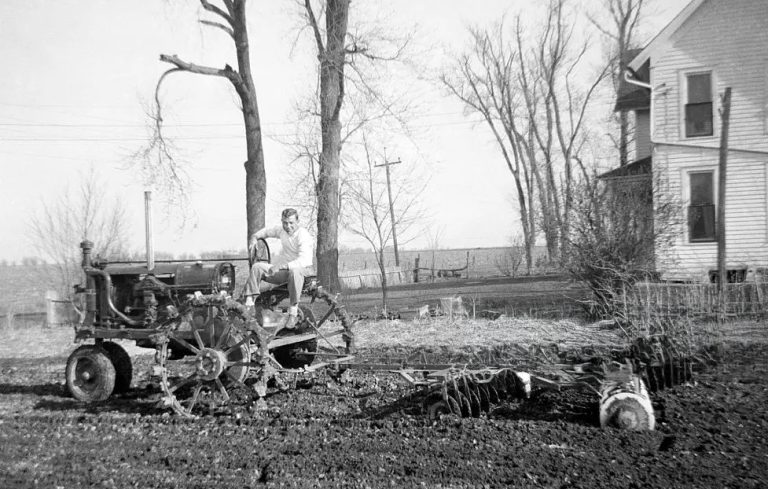
The 5 common mistakes in soil preparation
1. Not taking into account the type of plot
Failing to take account of a field’s specific characteristics remains the number one source of error in soil management. Even within the same perimeter around a farm, each plot of land can be different. Knowing the slopes that promote runoff, wet or compacted areas, the grain size of its soil, its pH, etc. are all factors that determine how to manage the land and what crops to plant. There are many tests that can be carried out to determine this. You can find the main ones in our article “How to study your soil to adapt your work to it”.
2. Underestimating biological activity before carrying out tillage
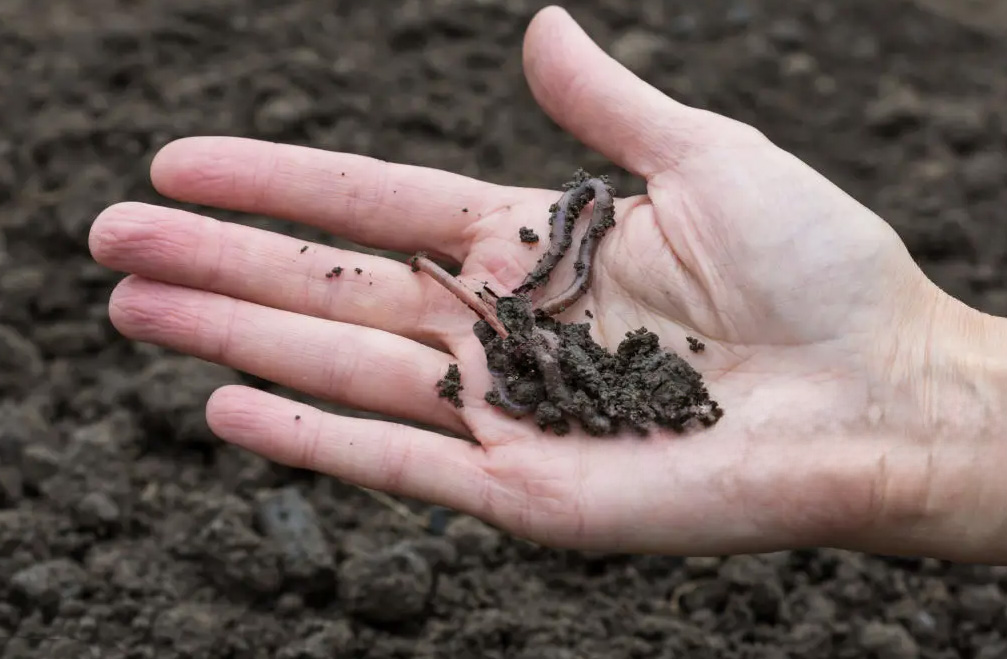
Failing to take account of the biological activity on one’s plot is one of the most common mistakes made in soil management. The soil is a living environment composed of various organisms such as earthworms, mites, bacteria and fungi, among others.
These organisms interact with each other and enable biological activity that is essential for healthy soil. They renew the structure, break down organic matter, regulate pathogens, ensure the distribution of resources, and facilitate water penetration.
In order to best protect soil life, The use of fungicides and fertilisers must therefore be carefully considered. However, other factors can also be decisive. These are directly related to the following points.
3. Working too deeply and/or excessively
Working the soil regularly with the right implement for the soil type at the right time is a key factor in the success of a crop and in maintaining the long-term fertility of a field. Tilling that is too deep and too frequent has a direct negative impact on soil life and breaks down organic matter. Soil structure is also affected, and there is a significant risk of erosion.As with any issue, to avoid over-working the soil, careful planning regarding the use of heavy machinery on fields must be carried out in advance. Fewer passes by heavy machinery = less compaction and, therefore, no need to use a subsoiler every year. Combined work can be a solution for certain operations, with the added benefit of saving time.
But in agriculture, everything is interconnected! And the following mistakes must be taken into account when devising solutions.
4. Work unsaturated soil
Do not confuse speed with haste. Working on soil that has not dried out is a mistake that can take its toll over time.
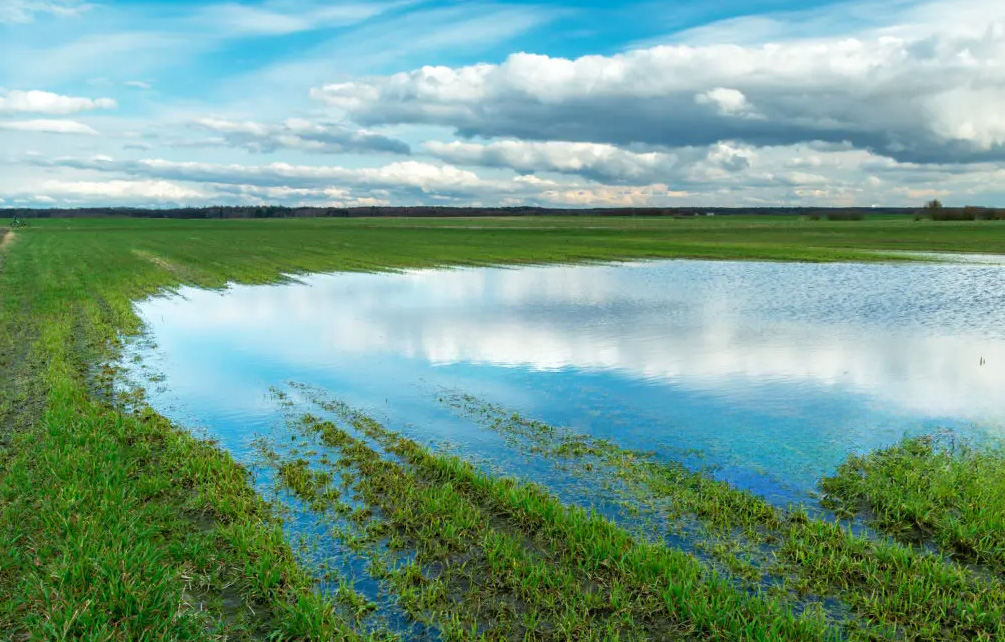
To compact a plot, create a smooth surface or a plough sole, all you need is waterlogged soil over which you drive a tractor with a tool attached. The consequences can be difficult to remedy, especially in the presence of clay. The organisms present in the soil suffer and the structure deteriorates. The yield of the subsequent crop will therefore be severely compromised.
Before any work is carried out, it is important to check that the topsoil is properly drained to a depth of at least 25 centimetres. Using a light implement and limiting the working depth soil can reduce deep compaction. Ideally, work should be carried out on soil that is drained to a depth of 40 centimetres.
5. Neglecting crop rotation and ground cover
Growing the same crop on the same plot of land for several years in a row seems to be the simplest solution. However, in the long term, this leads to a depletion of the nutrient reserves specific to that crop. It also results in the development and resistance of certain pests or diseases. Crop rotation allows farmers to vary their practices, adapt working methods, restructure the soil and increase its fertility.. In addition, it provides natural protection against pests. Furthermore, when done properly, it reduces the use of inputs.
By alternating winter and spring crops, the soil is “covered” more often. However, between two crops, there are still periods when it can be bare. Ignoring these phases is a mistake. Bare soil is susceptible to erosion. Plant cover also acts as a soil improver when it is destroyed. The choice of species planted is therefore essential, as they will provide nutrients for subsequent crops.
In conclusion
The proverb says: “Only those who do nothing never make mistakes” or “It is by doing that we learn”. Reasoning, observing, understanding and exchanging ideas is the best way to implement good practices. Agricultural techniques and soil preparation are still evolving. Genuine networks have been set up to share everyone’s experiences. It is thanks to today’s farmers that, together, we will shape the agriculture of tomorrow.