


Agricultural soil preparation: techniques, objectives and choice of tools
Soil cultivation plays a central role in crop management. It is not simply a matter of working the soil or seeking greater depth or power. Each operation must serve a specific agronomic objective, take account of the actual condition of the soil, and form part of an overall strategy for the conservation of the plot.
Today, climatic conditions, load management, advances in agricultural machinery and the development of digital tools are leading to a rethink of current practices. The success of an operation increasingly depends on the ability to observe, make decisions and take action at the right time, using the appropriate tool.
The best tillage is not necessarily the most visible. It is the one that allows the soil to continue functioning.
1. Why do we till the soil in agriculture?
Soil cultivation can serve several purposes, depending on the characteristics of the plot and the condition of the soil profile.
In particular, it can help to:
-promote water infiltration
-improve root growth conditions
-treat compacted areas
-preserve or restore soil structure
-promote a balanced circulation of water and air
-prepare the seedbed
Not all of these objectives require the same type of intervention. The depth, type of implement, number of passes and operating conditions must be determined according to the specific needs identified in the soil.
2. The main soil cultivation techniques
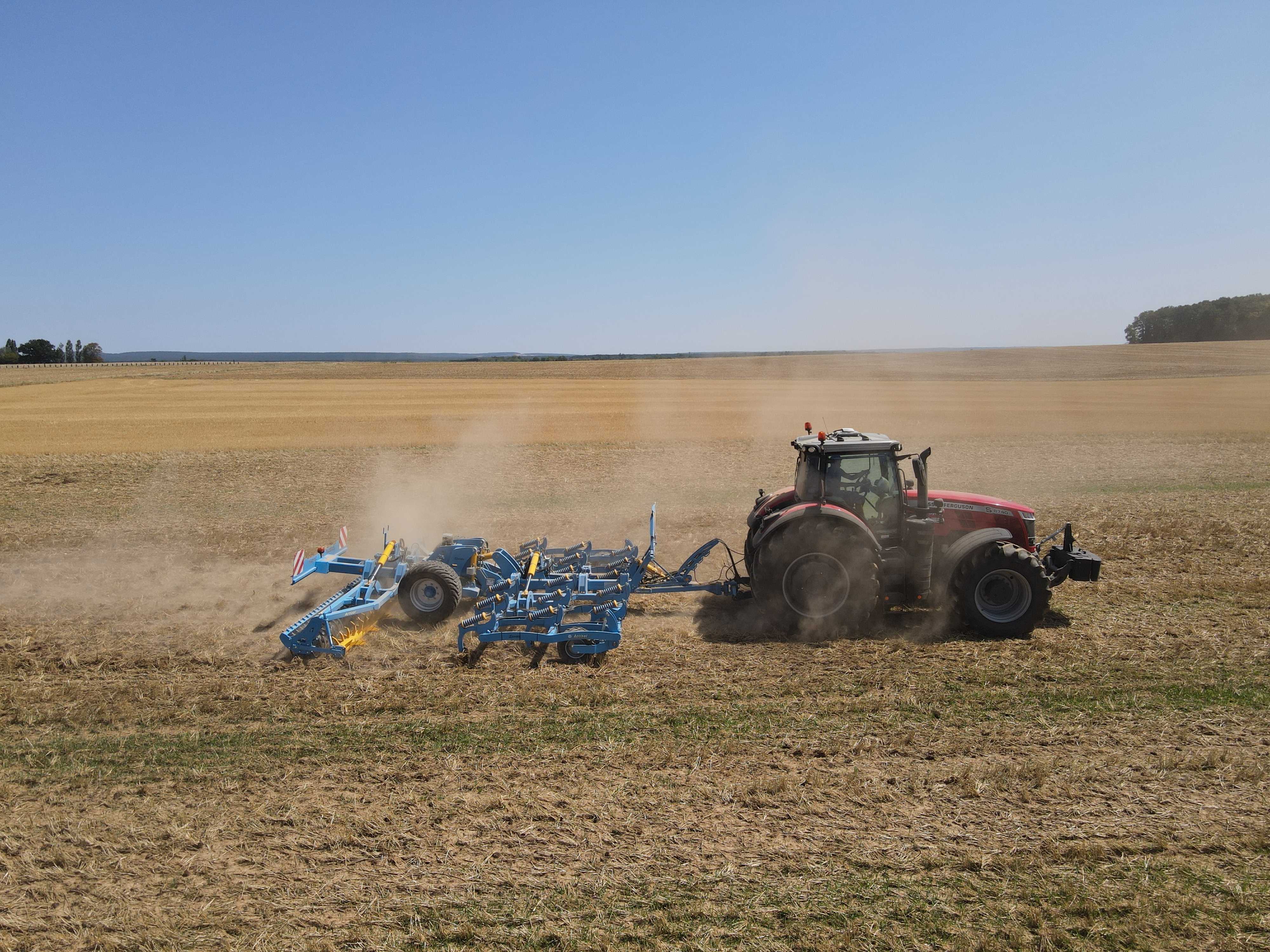
There are various ways of treating agricultural soil. The choice of technique depends, in particular, on the soil structure, its moisture content, the depth at which any problem lies – if there is one – and the desired outcome. Here are a few examples:
Subsoiling
The aim of subsoiling is to intervene when an area of the soil profile exhibits deep compaction that may restrict root growth, water movement or air circulation. However, subsoiling must be carried out in a considered manner. It is not a question of systematically working at depth, but of first identifying the affected area and determining whether mechanical intervention is actually necessary.
Cracking
Cracking follows a different principle: it is designed, in particular, to act on the soil structure vertically, without disrupting the soil layers. A cracker can be used when the aim is to promote aeration, water infiltration or root development whilst preserving the soil structure. It can also break up a plough pan present within the top 30 centimetres.
Soil subsoiler or cracker – what’s the difference? Find the answer HERE.
Soil loosening
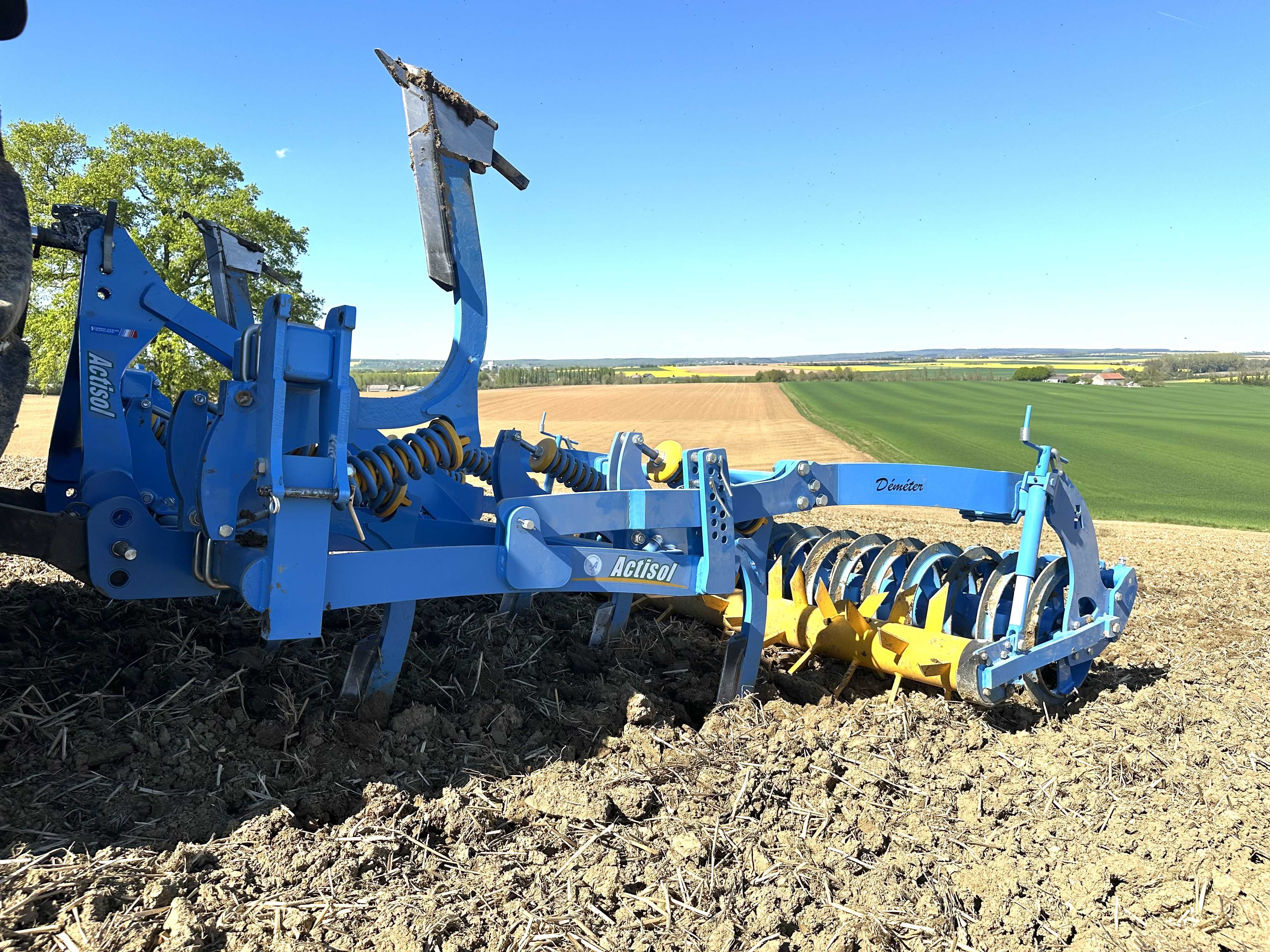
Soil loosening may be carried out to improve soil conditions and facilitate crop establishment. The intensity of the operation must be tailored to the condition of the plot.
Preparing the seedbed
Seedbed preparation serves a specific purpose: to create favourable conditions for crop establishment. Increasing the number of passes or aiming for excessive fineness does not necessarily lead to better results.
Whether the task involves subsoiling, cracking, loosening or seedbed preparation, the same principle should guide the decision: identify the need before choosing the appropriate operation.
3-Soil structure, compaction and water infiltration
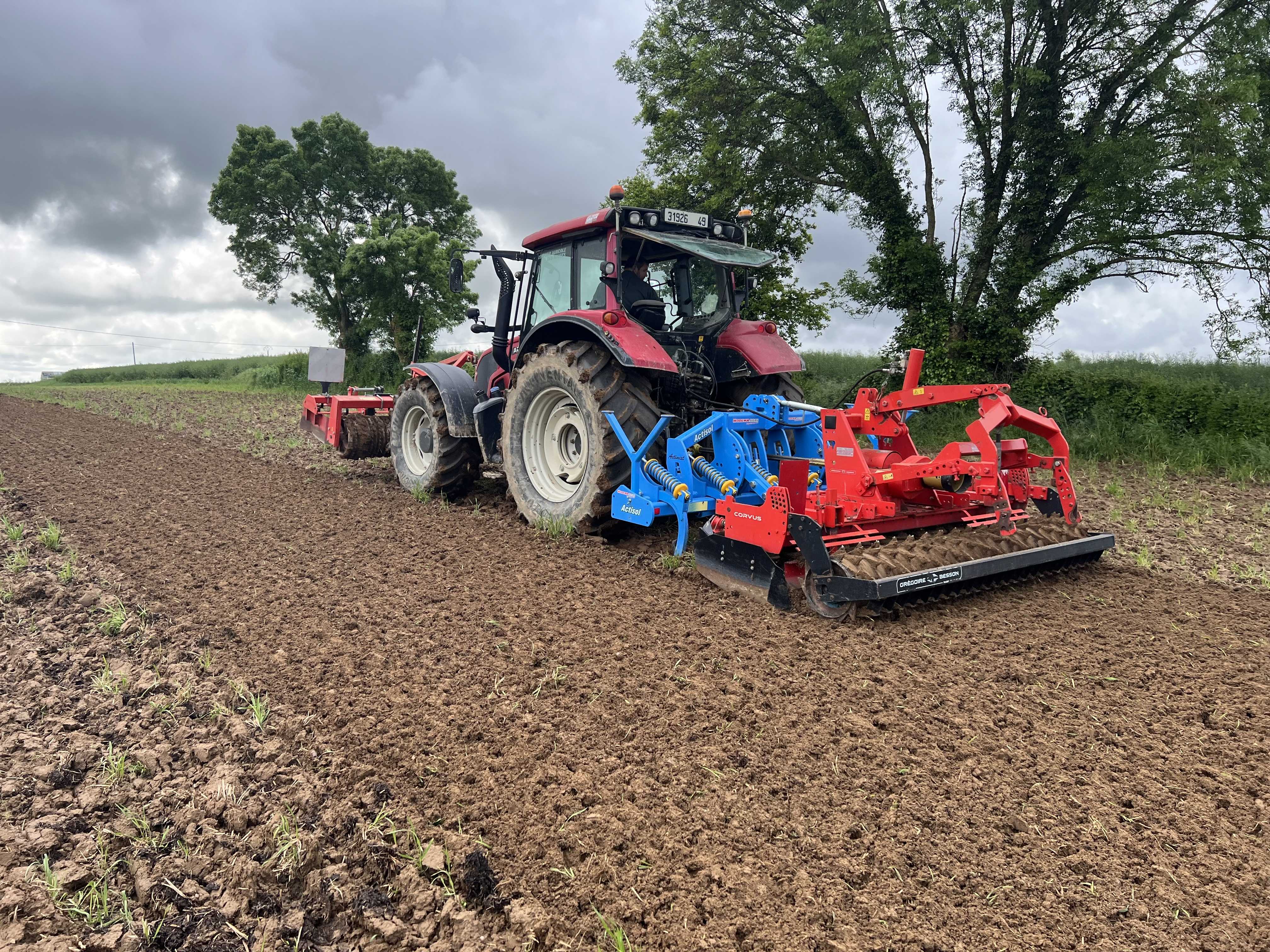
Soil structure is now at the heart of discussions on agricultural performance. Soil is not merely a medium for crops. Its structure, porosity, infiltration capacity, biological activity and the conditions for root development all play a direct role in how it functions.
When faced with heavy rain, soil capable of rapidly allowing water to infiltrate does not react in the same way as compacted or degraded soil. Conversely, during a dry spell, the soil’s ability to store and release water becomes crucial.
Why limit compaction?
Repeated passage of machinery and tools can contribute to soil compaction. Compacted soil has reduced porosity, which can disrupt the flow of water and air and, consequently, root development. Reducing unnecessary passes is therefore both an economic and an agronomic priority.
What agronomic benefit does each intervention provide?
A single treatment carried out in the right place, at the right depth and under the right conditions can be more beneficial than several successive, poorly tailored treatments.
Water ingress
A soil’s ability to allow water to infiltrate is becoming a vital issue in the face of heavy rainfall and periods of drought. Well-structured soil promotes water movement and helps to minimise run-off. Conversely, a degraded structure or a compacted area can reduce infiltration and limit the availability of water for crops.
Soil cultivation must therefore be approached in conjunction with water management: taking action to address an identified problem without degrading the soil’s properties.
4-How do you choose the working depth?
Working depth is often linked to the power required and the performance of a tool. However, it must be tailored to the location of the problem and the desired agronomic objective.
Before carrying out any work, observing the soil profile helps to identify any areas of compaction and to assess root development as well as the general condition of the soil.
The question is therefore not ‘To what depth can I work?’, but rather: ‘To what depth must I work to address the identified problem?’
This distinction is essential to avoid excessive tillage. The depth must also be adapted to moisture conditions. Soil that is too wet is prone to compaction when the tractor and implement pass over it. Conversely, extremely dry soil may require more energy and produce clods that are difficult to break up.
5-How do you choose the right tillage implement?
Choosing the right agricultural implement for the task at hand does not depend solely on its width or the tractor’s power. The decision must be based on several factors:
-the type of soil
-the soil structure
-the moisture content
-the possible presence of compacted areas
-the desired working depth
An implement’s effectiveness depends on the decisions made prior to its use. This approach helps to strike a balance between the quality of the work, control of loads and the preservation of the plot’s agronomic potential.

6-Towards greater accuracy
Agricultural machinery is evolving rapidly. Guidance systems, automation, more precise adjustments, depth control and the versatility of implements enable operators to carry out tasks with greater precision.
These developments can help to:
-save time
-reduce fuel consumption
-improve the quality of work
-minimise unnecessary operations
-better tailor operations to the characteristics of the field
The challenge, therefore, is not to demand ever more from the machinery, but to enable it to carry out only the work that is truly necessary.
7-Adapting tillage practices to climatic conditions, but that’s not all...
Weather conditions have become a key factor in decision-making for agricultural operations. The right time to work the soil is not necessarily the one indicated by the calendar. It is the time when the right conditions are in place to carry out the work without damaging the soil’s structure or compromising its agronomic potential.
Two plots situated just a few kilometres apart may therefore behave very differently following a spell of rain. Their texture, structure, history and moisture content may lead to different decisions.
8-Taking action at the right time
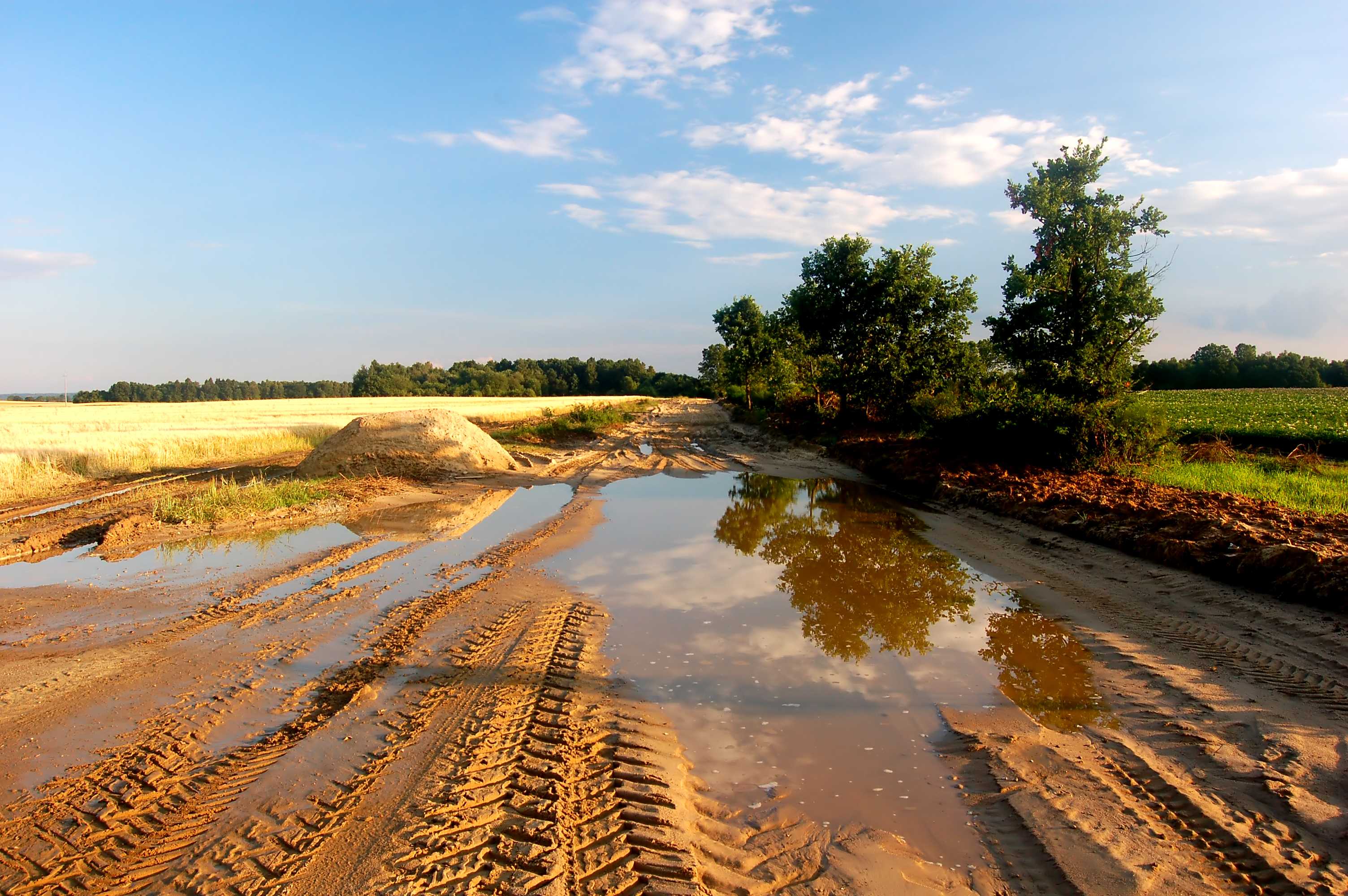
The soil must have drained sufficiently after rain to allow it to be worked under the right conditions.
Working on soil that is too wet can lead to compaction. Conversely, extremely dry soil may require more energy and result in clods that are difficult to break up.
The plot must therefore be assessed before any work is carried out. This approach becomes particularly important in a climate characterised by sometimes short windows of opportunity for work and by alternating spells of heavy rain and dry periods.
9-Reduce the number of passes to keep costs down and protect the soil
The cost of a field operation is not limited to fuel. It also includes:
- equipment maintenance
- wear and tear on parts
- labour costs
- additional passes
- any consequences of soil compaction
Reducing the number of passes can therefore be a key factor in both economic and agronomic terms. However, the aim is not to systematically eliminate operations. Rather, it is to ensure that each one serves a purpose. Actisol’s versatile and combinable machinery can contribute to this quest for efficiency by enabling certain operations to be combined and limiting the need for repeated passes.
10-Soil management in 2026: what lessons can we learn to prepare for 2027?
The developments observed in 2026 confirm several strong trends. The agricultural sector must simultaneously contend with increasingly unpredictable weather conditions, cost control, soil conservation and the advent of new technologies.
Preserving the structure of a plot, promoting water infiltration, supporting root development and limiting unnecessary traffic are not separate objectives. They all contribute to a single ambition: to build resilient soils, capable of producing crops today whilst also retaining their agronomic potential over time for the future.
The coming years are unlikely to be about seeking a single solution. They will be about adaptation.
11-Les outils Actisol pour adapter le travail du sol à chaque parcelle
The choice of equipment must be based on the desired agronomic objective. Actisol offers versatile tools suited to a range of soil-working operations. The aim is to be able to adapt the operation to the characteristics of each plot rather than seeking a one-size-fits-all solution.
Equipment, technologies and data will continue to evolve. But one thing remains certain: the next harvest always begins in the soil.